
The Silent Threat to Your Leather Goods
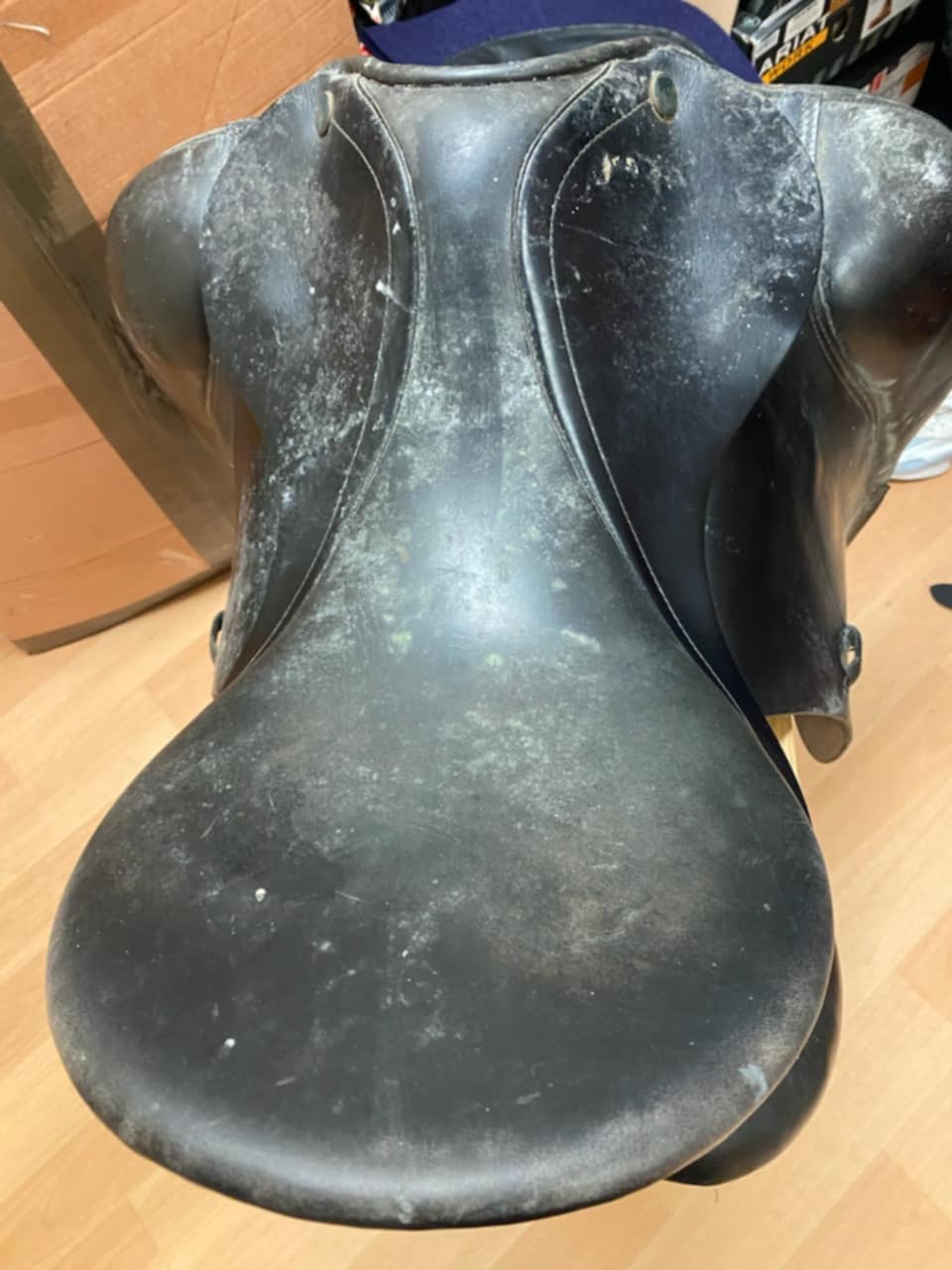
Mould is perhaps the most insidious enemy of fine leather. Unlike obvious damage from scratches or stains, mould often begins its destructive work invisibly, only becoming apparent when significant damage has already occurred. By the time you spot those telltale speckles, the fungal network has typically established itself deep within the leather fibers.
For leather enthusiasts and everyday owners alike, understanding how to identify early signs of mould and implementing effective prevention strategies is essential to preserving your valuable items. Let's explore how to protect your leather investments before mould takes hold.
Early Warning Signs: Catching Mould Before It's Obvious
Mould doesn't appear overnight. Before visible growth occurs, leather often displays subtle indicators that conditions are ripe for fungal development:
Visual Indicators
- White or colored specks: The most obvious sign, these tiny dots can be white, green, blue, or even black
- Discoloration: Subtle patches that appear lighter or darker than surrounding leather
- Dull appearance: Areas losing their natural luster, appearing flat compared to the rest of the item
- Uneven texture: Slightly raised or rough patches that weren't present before
Non-Visual Indicators
- Musty odor: A distinctive earthy or damp smell, particularly noticeable when the item is first removed from storage
- Increased flexibility: Unusually soft spots where leather has begun to break down
- Powdery residue: A fine dust that transfers to your hands when touching the leather
Catching these early signs allows for intervention before permanent damage occurs. Regular inspection of your leather goods, particularly those stored for extended periods, is your first line of defense.
Understanding the Perfect Storm: Conditions That Promote Mould Growth
Mould thrives under specific conditions, and understanding these factors helps you create an environment where fungal growth is inhibited:
The Mould Trifecta
- Moisture: Relative humidity above 60% provides the water mould needs to grow
- Warmth: Temperatures between 20-30°C (68-86°F) create ideal growing conditions
- Nutrients: Leather itself, along with dirt, body oils, and food residues provide food for mould
When these three factors converge, mould can establish itself in as little as 24-48 hours. This explains why leather items left in humid bathrooms, damp basements, or warm, poorly ventilated closets are particularly vulnerable.
Prevention Strategies: Creating a Mould-Hostile Environment
Effective mould prevention requires a multi-faceted approach that addresses both the leather itself and its storage environment:
Environmental Controls
- Maintain proper humidity: Keep relative humidity below 60% using dehumidifiers in problem areas
- Ensure good air circulation: Avoid storing leather items in completely sealed containers
- Control temperature: Avoid storing leather in areas subject to temperature fluctuations
- Choose storage location carefully: Keep leather away from bathrooms, basements, and exterior walls
Direct Leather Protection
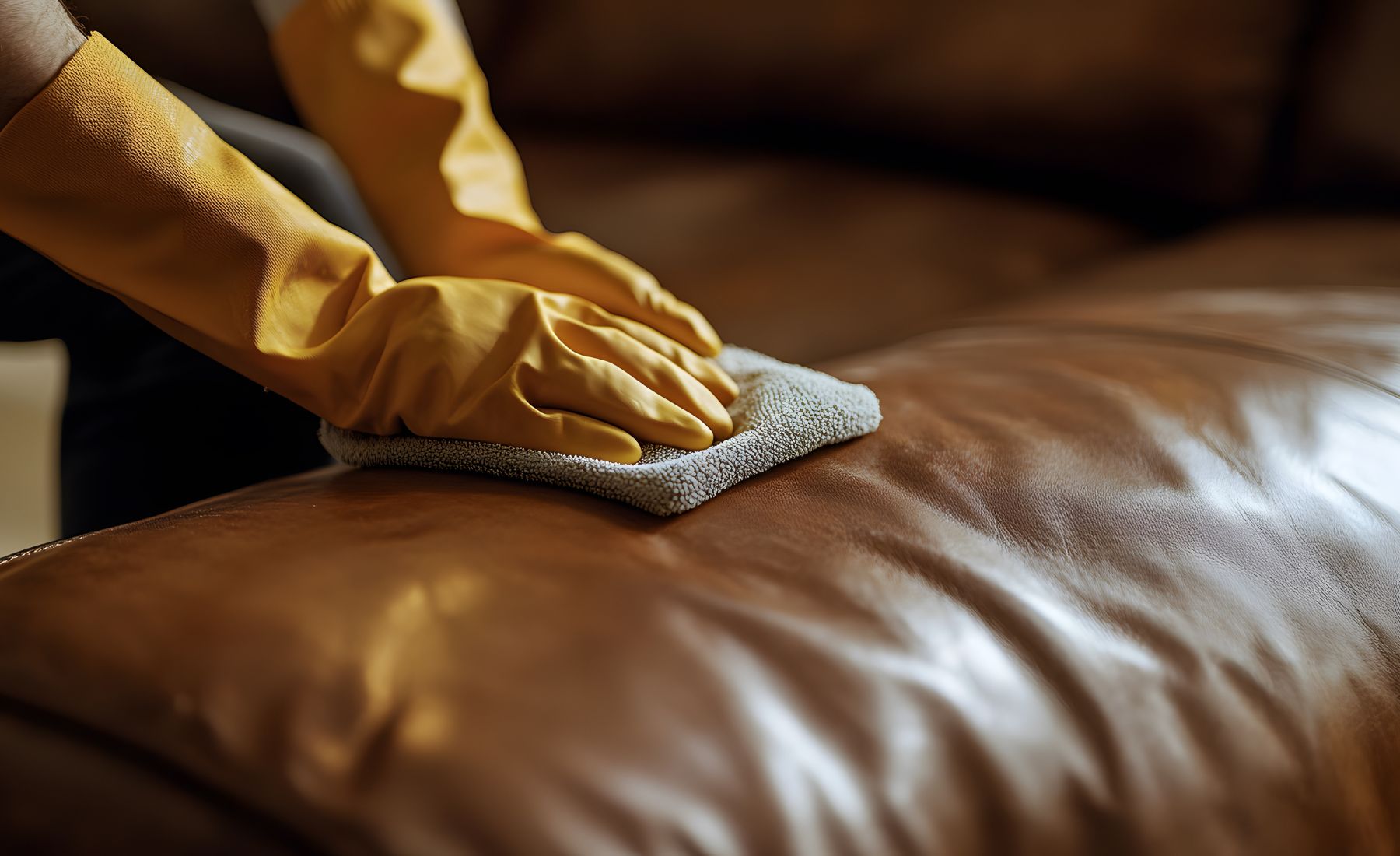
- Regular cleaning: Remove surface dirt and oils that provide nutrients for mould
- Complete drying: Ensure leather is completely dry before storage, especially after cleaning
- Protective barrier: Apply Leather Remedy 50g Mould Protector Leather Balm to create an inhospitable surface for mould spores
The Science Behind Leather Remedy's Mould Protection
What makes Leather Remedy 50g Mould Protector Leather Balm particularly effective against mould is its specialized formulation that works on multiple levels:
- pH Optimization: The balm creates a slightly acidic environment that inhibits fungal growth while remaining safe for leather
- Moisture Regulation: Natural waxes form a microporous barrier that repels external moisture while allowing internal moisture to escape
- Nutrient Sealing: The protective film encapsulates the organic compounds in leather that would otherwise feed mould
- Long-lasting Protection: The formula's staying power ensures continuous protection between applications
Unlike harsh chemical treatments that might temporarily prevent mould but damage leather over time, Leather Remedy's approach provides protection while simultaneously nourishing and preserving the material.
Application Guide: Maximizing Mould Protection
For optimal mould prevention, follow these specific application techniques:
- Clean thoroughly: Before application, ensure leather is free of any existing mould, dust, or residues
- Focus on vulnerable areas: Pay special attention to seams, folds, and areas with limited air circulation
- Thin, even coverage: Apply sparingly but ensure complete coverage with no missed spots
- Allow complete absorption: Give the balm 12-24 hours to fully penetrate and form its protective barrier
- Preventative schedule: For items in humid environments, apply every 2-3 months; for normal conditions, quarterly application is sufficient
Addressing Existing Mould: Recovery Protocol
If you discover mould has already established itself on your leather, immediate action can often save the item:
- Isolate the item: Move it away from other leather goods to prevent spore transfer
- Outdoor brushing: Take the item outside and gently brush away visible mould with a soft brush
- Disinfection: Wipe the surface with a cloth slightly dampened with a solution of equal parts water and isopropyl alcohol
- Complete drying: Allow the item to dry completely in a well-ventilated area away from direct sunlight
- Conditioning and protection: Apply Leather Remedy 50g Mould Protector Leather Balm to restore moisture balance and prevent recurrence
Note that severe mould infestations that have penetrated deep into the leather may require professional restoration.